The Science of Touch: How Mobile Massage Affects the Nervous System
Published on June 16, 2026
Touch Is a Physiological Event
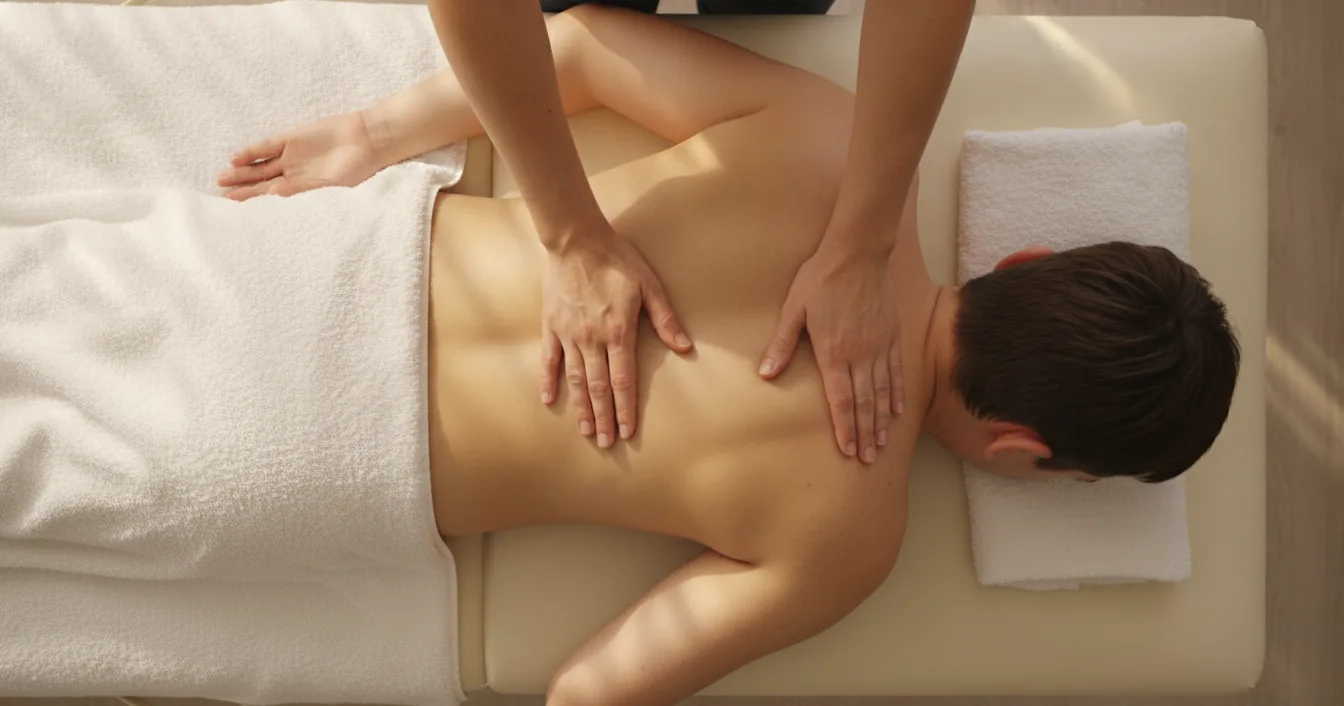
When a skilled hand presses into tired muscle, something measurable happens in the body. The skin is the largest sensory organ we have, woven through with nerve endings that report pressure, warmth, stretch, and movement. A therapist working across that surface is not only easing knots. They are feeding a steady stream of sensory information into the nervous system, and the nervous system answers. Heart rate shifts, breathing slows, muscle tone drops, and the brain’s chemistry changes. This is the part of massage that clients feel but rarely understand, and it is the part researchers have spent decades trying to map. Knowing the mechanisms helps consumers judge whether massage is worth their time and money, and it helps therapists explain their work honestly, without drifting into claims the evidence cannot support.
The Autonomic Nervous System and Vagal Tone
Most of what massage does to the nervous system runs through the autonomic nervous system, the network that manages the functions you never consciously command: heart rate, digestion, blood pressure, and the stress response. It has two branches. The sympathetic branch drives fight-or-flight, quickening the heart and tensing muscle. The parasympathetic branch governs rest-and-digest, slowing the heart and steering the body toward recovery. Modern life keeps a lot of people stuck in low-grade sympathetic activation, and the tight shoulders, shallow breathing, and restless sleep that follow are the visible cost of that imbalance.
Sustained, deliberate pressure changes the input. Mechanoreceptors in the skin and fascia (the sensory endings that register touch and pressure) fire signals toward the brainstem that help nudge the body out of sympathetic dominance. A central player is the vagus nerve, the long, wandering nerve that carries the bulk of parasympathetic traffic to the heart, lungs, and gut. Researchers describe the resting activity of this system as vagal tone, and higher vagal tone generally tracks with better stress recovery and steadier mood. Massage appears to raise parasympathetic activity during and shortly after a session, which is the physiological version of what clients describe as finally being able to exhale. For how that translates into everyday relief, see our guide on how mobile massage eases stress and tension.
What Cortisol and HRV Actually Show

Two biomarkers come up constantly in this research, and both reward an honest reading. The first is cortisol, the hormone the adrenal glands release under stress. Plenty of studies report lower salivary cortisol after a session, which fits the calm people feel. It is worth knowing, though, that when researchers pooled the studies with careful meta-analysis, the cortisol drop turned out to be mostly small and statistically shaky, well short of the dramatic reductions early enthusiasm had promised. The honest version is that massage can nudge cortisol down, not that it washes stress hormone out of the body.
The second marker is heart rate variability, or HRV, the slight beat-to-beat variation in the timing of the heartbeat. A healthy heart does not tick like a metronome, and more variability generally signals a flexible, parasympathetically engaged nervous system, while low variability tracks with stress and strain. Here the evidence is sturdier. Controlled studies have found that even a ten-minute massage can raise HRV and shift the autonomic balance toward parasympathetic activity. HRV is useful precisely because it is hard to fake, an objective window onto the same calming shift that cortisol only hints at. Together they paint a believable picture: skilled touch moves the nervous system, modestly and measurably, toward recovery.
The Gate-Control Theory of Pain
Relaxation is only half the story. The other half is pain, and here the science is older and sturdier still. In 1965, Ronald Melzack and Patrick Wall proposed the gate-control theory, which reshaped how medicine understands pain. Their insight was that pain is not a simple wire running from an injury to the brain. Signals from aching or damaged tissue travel along small-diameter nerve fibers toward a kind of gate in the dorsal horn of the spinal cord. Large-diameter fibers, the ones that carry the sensation of touch and pressure, can effectively close that gate, dampening the pain signals before they ever reach the brain.

This is why your first instinct after banging an elbow is to rub it, and it is a large part of why massage relieves pain. The pressure and movement of a session flood the spinal cord with touch signals that compete with and crowd out the pain traffic. The brain layers on its own modulation through descending pathways shaped by attention, mood, and expectation. None of this requires believing massage knits tissue back together faster. It explains real, immediate pain relief through ordinary neurology, which is a far stronger footing than vague talk of releasing toxins.
Where Touch Fits in Integrative Care
These mechanisms are why massage has moved from the spa menu onto the hospital floor. The American Massage Therapy Association notes that massage therapy’s role in integrative health care is now widely accepted in major hospitals and everyday medical practice, backed by a growing body of research for pain relief, mental health, and recovery from surgery or injury. Clinicians increasingly reach for it as a nonpharmacological option, part of the broader effort to manage pain without leaning first on opioids.
The strongest evidence sits with chronic pain, especially low back and neck pain, and with anxiety, where touch reliably lowers arousal in the short term. The word that keeps the framing honest is adjunct. Massage works alongside medical care rather than replacing it, and the most effective mobile therapists treat themselves as one member of a client’s care team. That is the same posture our evidence-based guide to in-home oncology massage describes, and it carries over to chronic pain and anxiety in older clients, where gentle, regular sessions can steady a nervous system under strain. Any situation involving active disease, blood clots, or unstable symptoms calls for physician clearance before the first session, and a careful intake and screening process is how a responsible therapist catches those red flags.
Why the Mobile Setting Supports the Biology
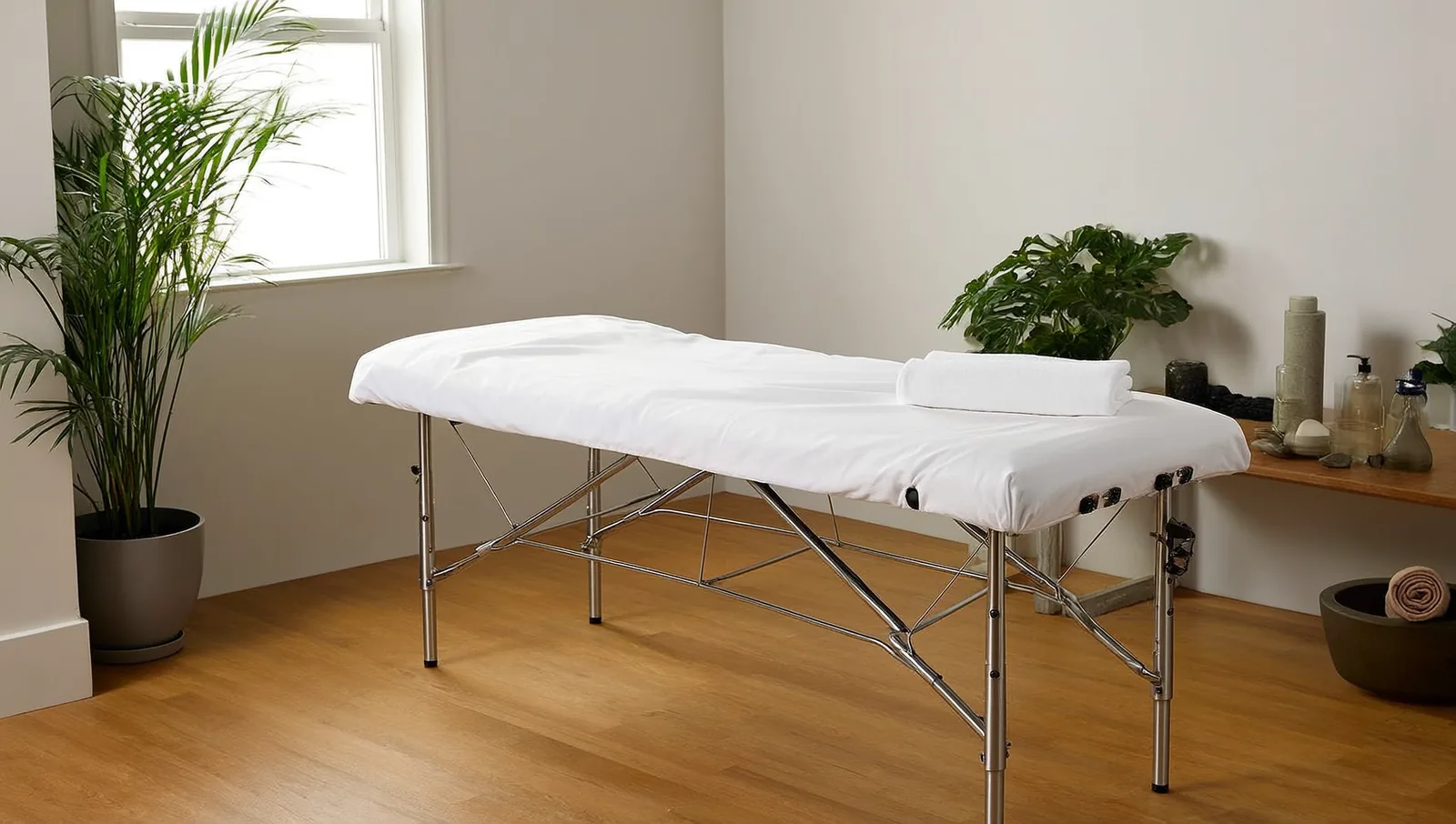
Setting shapes physiology more than people expect. A nervous system that has to navigate traffic, a waiting room, and an unfamiliar building spends the opening minutes of any appointment climbing down from mild sympathetic arousal. In a client’s own home, that climb is mostly already done. Familiar surroundings, lighting and temperature the client controls, and the absence of strangers let the parasympathetic shift begin sooner and run deeper. The advantage continues once the table folds away. Rather than dressing and driving home, a client can move straight to the couch or the bed, holding the calm state instead of breaking it. For the nervous system, that uninterrupted slide into rest is not a small detail. It is part of the treatment.
Explaining the Science Without Overstating It
The temptation in this field is to oversell. Clients respond to confidence, and the mechanisms are genuinely impressive, so it is easy to slide into language that promises more than the evidence allows. Resist it. A licensed massage therapist does not diagnose conditions, does not treat disease, and does not claim to cure anything, and those limits are not fine print. They mark the line between licensed massage therapy and the unlicensed bodywork that operates without that accountability, and the exact boundary varies by state, so your own practice act is the authority.
What you can say is plenty. Touch measurably engages the parasympathetic nervous system. It can lower cortisol modestly and shift heart rate variability toward recovery. It eases pain through a well-established neurological mechanism, and it has earned a real place in integrative care for stress, anxiety, and chronic pain. Stated plainly and accurately, that is a more persuasive pitch than any exaggeration, because an educated client can verify every piece of it. The science of touch is strong enough to stand on its own. The work is simply to represent it faithfully.
Sources
- American Massage Therapy Association on massage therapy’s place in integrative care and pain management
- American Massage Therapy Association for the research behind massage as a nonpharmacological option for pain and mental health
- Massage Magazine with how the vagus nerve and stress response shape a session
- Journal of Bodywork and Movement Therapies on why the cortisol-reduction effect is smaller than often claimed
- Pain Research and Management revisiting fifty years of Melzack and Wall’s gate-control theory of pain
- Scientific Reports for how a short massage shifts heart rate variability toward relaxation