Building Your Mobile Massage Service Menu: A Modality-by-Modality Guide
Published on June 23, 2026
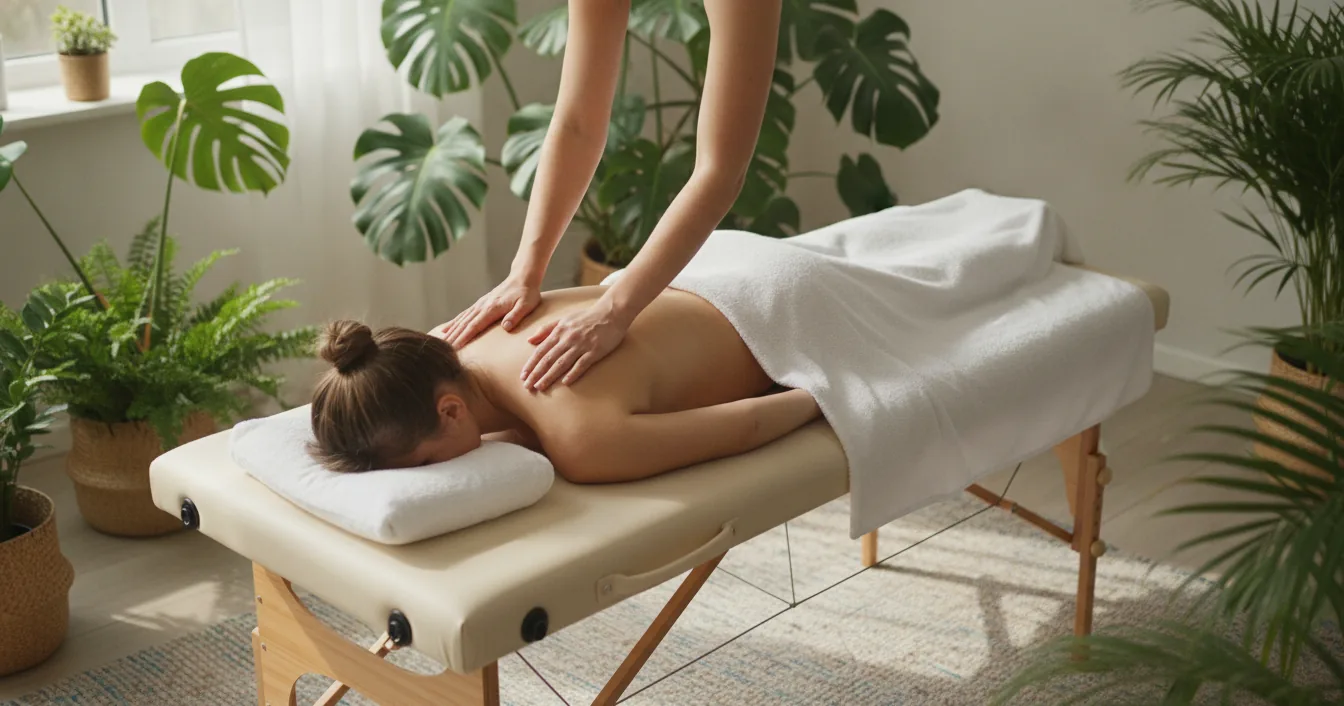
Your Menu Is a Strategy, Not a List
For most of the last century, a massage menu was short and looked the same everywhere: a relaxation massage, a deep tissue option, and a sports rubdown for the athletes. That era is fading. The industry has shifted away from selling single, interchangeable sessions toward specialized, results-driven care, and clients now arrive already knowing the difference between a prenatal session and a lymphatic treatment. For a mobile therapist, the service menu is where that shift either works in your favor or against you. Too broad, and it spreads your training and your equipment thin. Too narrow, and it turns away clients you could easily serve. Unlike a storefront spa, you carry every modality on your menu in the trunk of your car, so each addition is a real commitment of gear, certification, and setup time.
This guide walks through the modalities a mobile practice can offer: what each one delivers, the equipment and training it demands on the road, which ones pair naturally in a single visit, and how to price and describe them so clients self-select correctly before you ever knock on the door.
The Two Anchors: Swedish and Deep Tissue
Two modalities form the backbone of nearly every mobile practice, and a newer therapist should be fluent in both before adding anything else.
Swedish massage is the foundation. Long gliding strokes, kneading, and light to medium pressure make it the broadest-demand service you offer and the one most first-time clients book. It asks the least of your kit (a table, linens, oil, and a basic bolster set), and it is what clients mean when they say they just want to relax. That relaxation is not vague marketing. The parasympathetic shift underneath it is measurable, and understanding the mechanism helps you describe the work honestly rather than overselling it. Our guide to how massage affects the nervous system covers what actually happens in the body during a session.
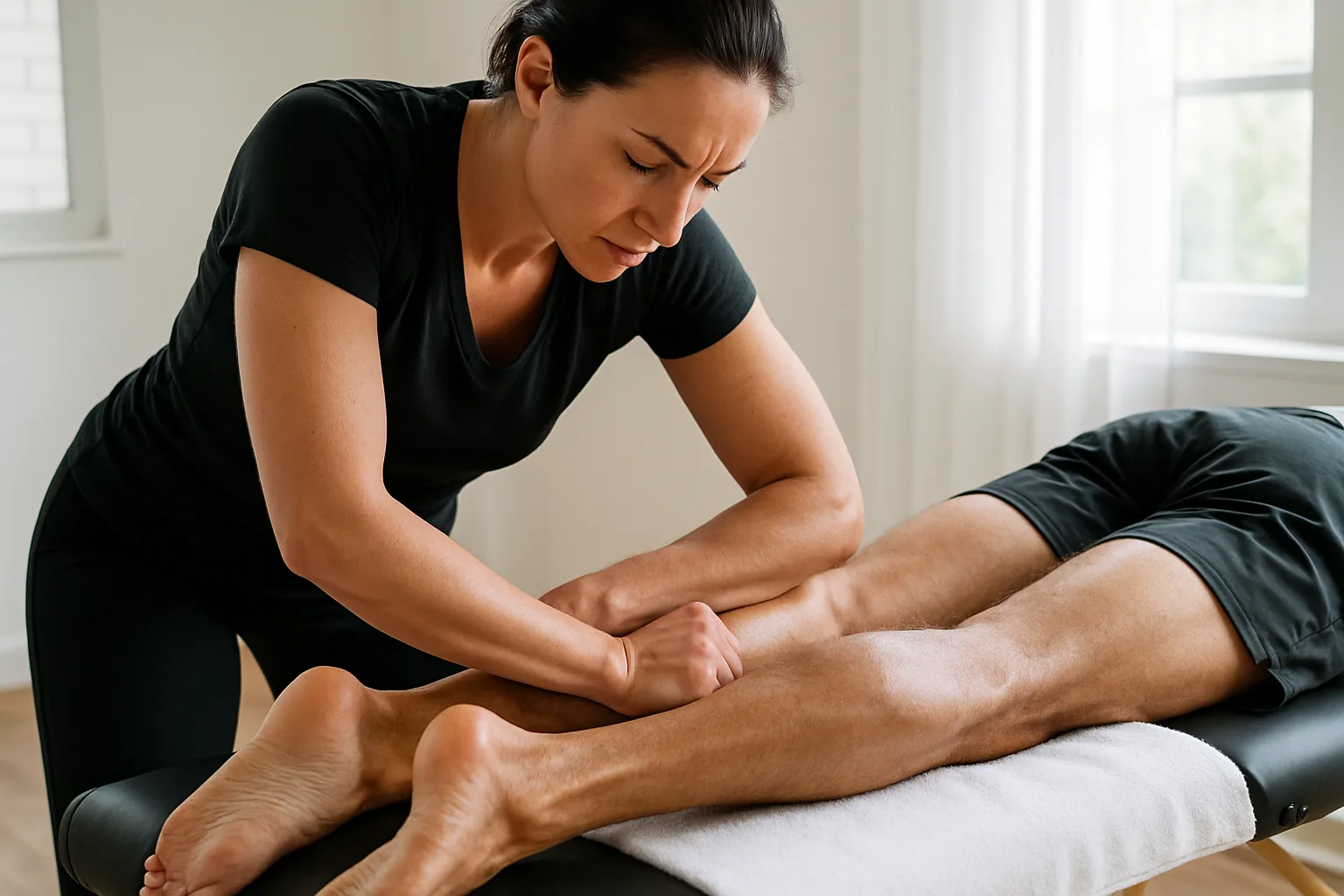
Deep tissue massage is the workhorse. Slower strokes and sustained pressure reach the deeper layers of muscle and fascia, drawing clients who live with chronic tension, postural strain, and desk-bound shoulders. Deep tissue asks two things that mobile work makes harder. It needs a firm, stable table that will not flex under sustained pressure, and it needs disciplined body mechanics so that you are not the one who ends up injured on a four-appointment day. It also demands honest screening, because deep work is not appropriate over acute injuries, blood clots, or inflamed tissue. When in doubt, the safer call is to lighten the pressure or refer the client to their physician.
Sports Massage: Built for the Active Client
Sports massage adapts technique to the demands of an active body: faster, rhythmic work and stretching before an event, then slower flushing strokes and trigger-point work afterward. It overlaps with deep tissue but is its own skill, and most states expect specific training before you advertise it. For a mobile therapist it is a natural fit, because athletes value the convenience of recovery work delivered at home or at the finish line. The gear is light (a sturdy table and a stretch strap), but scheduling is the real consideration, since pre-event and post-event sessions cluster around race days and game weekends rather than spreading evenly through the week.
Prenatal Massage: High Demand, Real Precautions
Prenatal massage is one of the strongest specialty markets in mobile work, precisely because traveling to an appointment is exactly what an expectant client wants to avoid. Demand is steady, and referrals from doulas and midwives compound over time. It is also the modality with the clearest equipment and safety requirements. You will need a side-lying bolster system or a pregnancy cushion, training in safe positioning, and a careful intake. Massage is generally avoided in the first trimester without guidance, and any high-risk pregnancy, preeclampsia, or history of blood clots calls for physician clearance before the first session. This is a modality where a thorough intake and screening routine protects both the client and your practice, and where carrying professional liability insurance is non-negotiable.
Hot Stone: The Premium Add-On
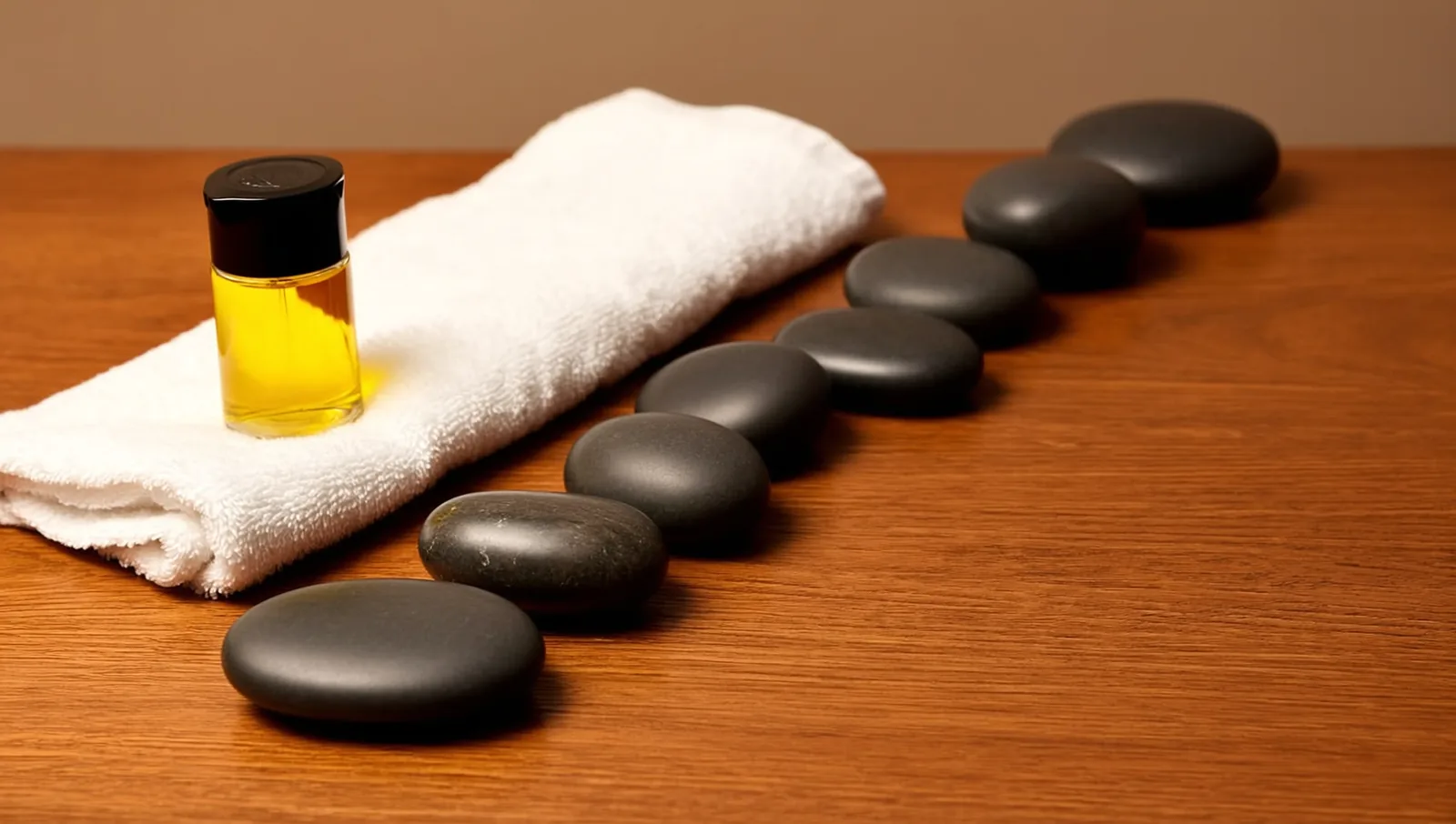
Hot stone massage is the clearest premium upsell on a mobile menu. Heated basalt stones warm the tissue before hands-on work, and clients perceive the service as a luxury worth a higher rate. The tradeoff is logistics. A mobile hot stone session means carrying a stone set and a warmer, plugging in on arrival, and waiting twenty-five to forty minutes for the unit to reach a safe working temperature while you set up the table. The contraindication list is also longer, covering cardiovascular conditions, diabetes, neuropathy, and pregnancy. Our deep dive on hot stone massage in the mobile setting covers safe temperatures, placement, and pacing. Offered well, it anchors the high end of your menu.
Chair Massage: Your Door Into Corporate and Event Work
Chair massage is not a smaller table massage. It is a different product aimed at a different buyer. Clothed, seated, and lasting ten to twenty minutes, it is built for corporate wellness days, conferences, sports events, and bridal-party warmups, settings where many short sessions need to happen in a tight space. It opens a revenue stream that residential booking never touches, and it lets you quote per-hour event rates instead of single appointments. The entry cost is one portable chair, which our equipment buyer’s guide covers in detail. Add it to your menu only once you are actively pursuing event contracts, since a chair that never leaves the closet earns nothing.
Lymphatic Drainage and Recovery Work: The Rising Demand
The fastest-growing corner of the menu is gentle, recovery-focused work, and lymphatic drainage leads it. The technique uses light, rhythmic strokes along the lymphatic channels to move fluid, and demand has surged from both post-surgical clients and an aesthetics-driven social media trend. Two cautions matter here. First, scope. Manual lymphatic drainage for a medical condition such as lymphedema is specialized clinical work that requires dedicated certification and often physician involvement, and it is distinct from the lighter cosmetic version that targets temporary bloating. Second, the line between licensed massage therapy and unlicensed bodywork is easy to blur in this space, and exactly what you may advertise and perform varies by state, so your own practice act is the authority. Recovery work more broadly, including techniques meant to support the body between sessions, reflects where the wider industry is heading: away from the one-off rubdown and toward care that clients return to on a schedule.
Packaging: Which Modalities Pair in One Visit
A mobile visit carries fixed overhead. You drove there and you set up, so a ninety-minute combined session is far more profitable than a single sixty-minute one. The pairings that work share an internal logic. Swedish flows naturally into hot stone, since both are warming and relaxation-focused. Deep tissue pairs with targeted sports stretching for an athletic client. Prenatal generally stays on its own for safety. A simple way to package is to name the goal rather than the technique: a “relax and restore” session that blends Swedish with stones, or a “tension release” session that combines deep tissue with focused trigger-point work. Bundling this way raises your average ticket without adding a second trip across town.
Pricing and Describing So Clients Self-Select
Your menu descriptions do the screening before you arrive. Each entry should state who the service is for, what pressure to expect, and the duration options, so a client books the right thing instead of discovering a mismatch once you are set up on the living room floor. Price by the demand the modality places on you, not by a flat hourly figure. Hot stone and prenatal command more than a basic Swedish hour because they require more gear, training, and setup, and your travel fee and pricing structure should absorb that difference. Clear, specific descriptions also cut down on the awkward renegotiation that happens when a client books “a massage” and quietly wanted something you did not bring.
Start Narrow, Expand on Purpose
The temptation for a new mobile therapist is to list every modality on day one to look established. Resist it. Launch with the two anchors and one specialty you are genuinely good at, prove out the booking flow, then add modalities as real demand appears. Even established providers expand deliberately rather than all at once, layering in new treatments as their client base asks for them. A focused menu you deliver excellently beats a sprawling one you deliver unevenly, and it is far easier to carry up a flight of stairs. Let your menu grow the way your practice does, one well-chosen service at a time.
Sources
- Massage Magazine on how the industry is shifting from single sessions to ongoing wellness
- Spa Business for how a mobile service deliberately expanded its treatment menu
- Vogue with how lymphatic drainage works and where its limits are
- American Massage Therapy Association on massage modalities and their place in health care