Personal Safety for Mobile Massage Therapists: A Comprehensive Protocol
Published on May 13, 2026
Why Solo Mobile Work Carries Distinct Risk
Mobile massage flips the usual safety equation. In a clinic, a therapist works behind a locked front desk with colleagues a wall away. On a house call, the therapist walks alone into an unfamiliar home, sets up alone, and is alone with one client behind a closed door for the next sixty to ninety minutes. The clients who choose mobile service are overwhelmingly normal people who simply value convenience, but a small minority specifically seek out solo therapists because the format reduces witnesses. Treating personal safety as a structured protocol, rather than something you sort out by instinct in the moment, is what separates a sustainable mobile practice from a vulnerable one.
The protocol that follows is organized as a sequence: vetting before the booking is confirmed, screening on the phone before the appointment, environmental and check-in safeguards on the day, boundary scripting inside the session, and a documented response plan for anything that goes wrong. It also addresses the regulatory side, because the systems that license and discipline therapists are part of the safety picture for both you and your clients.
Pre-Booking Client Vetting
Every booking should pass through a short vetting filter before the address goes on your calendar. Collect a full legal name (not a nickname or initial), a working mobile number that you can verify by sending a test text, the exact service address, and a payment method captured upfront through your booking software. A deposit or full prepayment via card creates an identity trail and filters out the small percentage of inquiries placed with no intention of being verifiable.
Cross-check the name and number against public records when something feels off. A reverse phone lookup, a quick search of the address, and a glance at the booking email’s domain are all free and take less than two minutes. Decline bookings that arrive from disposable numbers, refuse to provide a last name, push back on prepayment, or pressure you to come immediately to an address that does not match the name on the card. None of these are illegal on their own, but in combination they are the pattern most often described by therapists who had a session go wrong.
Intake Forms as a Safety Tool
A proper intake form does two jobs at once. It captures the health information needed to deliver a safe massage (medications, recent surgeries, contraindications), and it functions as a behavioral filter. Clients who book mobile sessions for legitimate reasons fill out intake forms without resistance. Clients who push back, refuse to answer routine questions, or volunteer comments about the session being “discreet” or “private in a different way” are flagging themselves.
The American Massage Therapy Association publishes free intake templates, SOAP note forms, and a sample letter to healthcare providers in its forms-and-templates resource library. Use a clinical-grade intake form rather than a casual booking questionnaire, and have it completed and returned before you confirm the appointment, not on arrival. Reviewing the responses in advance lets you flag contraindications that require physician clearance and lets you cancel professionally if something on the form is incompatible with your scope of practice.
The Pre-Session Phone Screening

A brief phone call before the first appointment is the single highest-yield safety step in mobile practice. Five minutes on the phone tells you more than any intake form. Ask the client to describe what they are hoping to address, what kind of pressure they prefer, where they heard about you, and what the layout of the home looks like (which room, who else will be present, whether pets need to be secured). Listen for a conversational, healthcare-oriented tone. Hang up politely if the call drifts toward the client’s appearance, what you will be wearing, or any sexualized framing of the service.
This is also the moment to state your professional boundaries explicitly so they are not a surprise on the table. A short script along the lines of “this is a licensed therapeutic massage, full draping is used the entire time, and I do not offer any service that falls outside the scope of practice” sets the tone and gives anyone with the wrong intent a clear off-ramp before you ever leave your house.
Location Sharing and Check-In Systems
Every session should be visible to at least one other person in real time. Share your live location through your phone’s native location-sharing feature with a trusted contact, and set a check-in for fifteen minutes after the session is scheduled to end. If you do not check in by that time, your contact’s instructions should be to call you, then call the address, then call the non-emergency police line. Several mobile booking platforms now include a built-in panic button and automatic post-session check-in; if you use one, configure it before your first appointment, not after an incident.
Park where you can leave quickly. Keep your car keys, phone, and a small bag with your wallet within arm’s reach of the table, not stored in a back room. Carry a personal alarm or whistle in the same bag. None of this is paranoia. It is the same risk management that home health nurses, real-estate agents doing showings, and field technicians use as a matter of course.
Boundary Scripting Inside the Session
Most boundary violations are tested incrementally. A client makes a comment, watches your response, and either backs off or escalates. Having pre-rehearsed scripts prevents the freeze response that the Philadelphia Magazine reporting on the Eric Elliott case repeatedly noted in interviews with assault survivors, where clients described being “in shock” and unable to move on the table. Therapists can experience the same freeze when caught off-guard by a client’s behavior.
Practice short, neutral responses out loud before you ever need them. “I am going to redrape and we will continue with the back” resets a sliding sheet without escalation. “That is not part of this service. I am ending the session now, please stand up and get dressed” ends an appointment cleanly when a request crosses the line. Pack up and leave. Do not negotiate, do not finish the session, and do not accept a tip on the way out. Document the incident in writing the same day while it is fresh, and report it to your booking platform and to local police if a crime occurred.
When a Session Goes Wrong
A safety incident is a clinical event, not a personal failure. After any session that ended early or felt unsafe, complete a written incident report that includes the date, time, address, client name and contact information, a chronological description of what occurred, and any witnesses or evidence. Send a copy to your professional liability insurer, your booking platform, and, when warranted, your state massage therapy board. Speak with a licensed therapist or peer-support resource. Burnout and vicarious trauma compound across a career, which is why the AMTA’s self-care continuing education emphasizes injury prevention and emotional sustainability alongside body mechanics.
If you choose to stop seeing mobile clients for a stretch while you recover, that is a legitimate professional decision. The economics of mobile work, including how travel fees and session pricing are structured, give solo therapists enough flexibility to pivot to corporate, event, or clinic-based work for a period without abandoning the business.
The Regulatory Side: License Verification and Disciplinary Records
The Philadelphia Magazine investigation into Eric Elliott documented a mobile therapist who continued booking in-home appointments through his Instagram and a public booking site for months after the Pennsylvania Board of Massage Therapy suspended his license in February 2022, following criminal charges of aggravated indecent assault. A state official described him as “an immediate and clear danger to the public health and safety.” His booking page remained live and accepting appointments through publication of the story in August of that year.
Two practical lessons come out of cases like this. First, clients can and should verify licensure independently before booking any mobile session. Every state massage therapy board publishes a license-lookup page that shows current status, including suspensions and disciplinary actions. Second, working therapists should treat license verification as a routine part of their own professional hygiene: keep your license current, document continuing education, and check your own record on the public site at least once a year for accuracy. The same systems that protect clients from bad actors also protect legitimate therapists by making your good standing publicly searchable.
Personal safety in mobile practice is not a single decision. It is a stack of small protocols, each of which closes off one common failure mode. Combined with the deep relaxation benefits that mobile sessions can deliver in a client’s own home, and the trust that comes with showing up as a verifiable, licensed professional, a disciplined safety practice is what makes a long mobile career possible.
Sources
- Philadelphia Magazine on a mobile therapist booking appointments despite a suspended license
- American Massage Therapy Association for client intake forms, SOAP notes, and practice templates
- American Massage Therapy Association with self-care continuing education on body mechanics and burnout
- American Massage Therapy Association on client education and scope-of-practice resources
Further reading
- How Mobile Massage Can Help Alleviate Stress and Tension
- Understanding the Price Range of Mobile Massage Services
- The Healing Power of Hot Stones in Mobile Massage
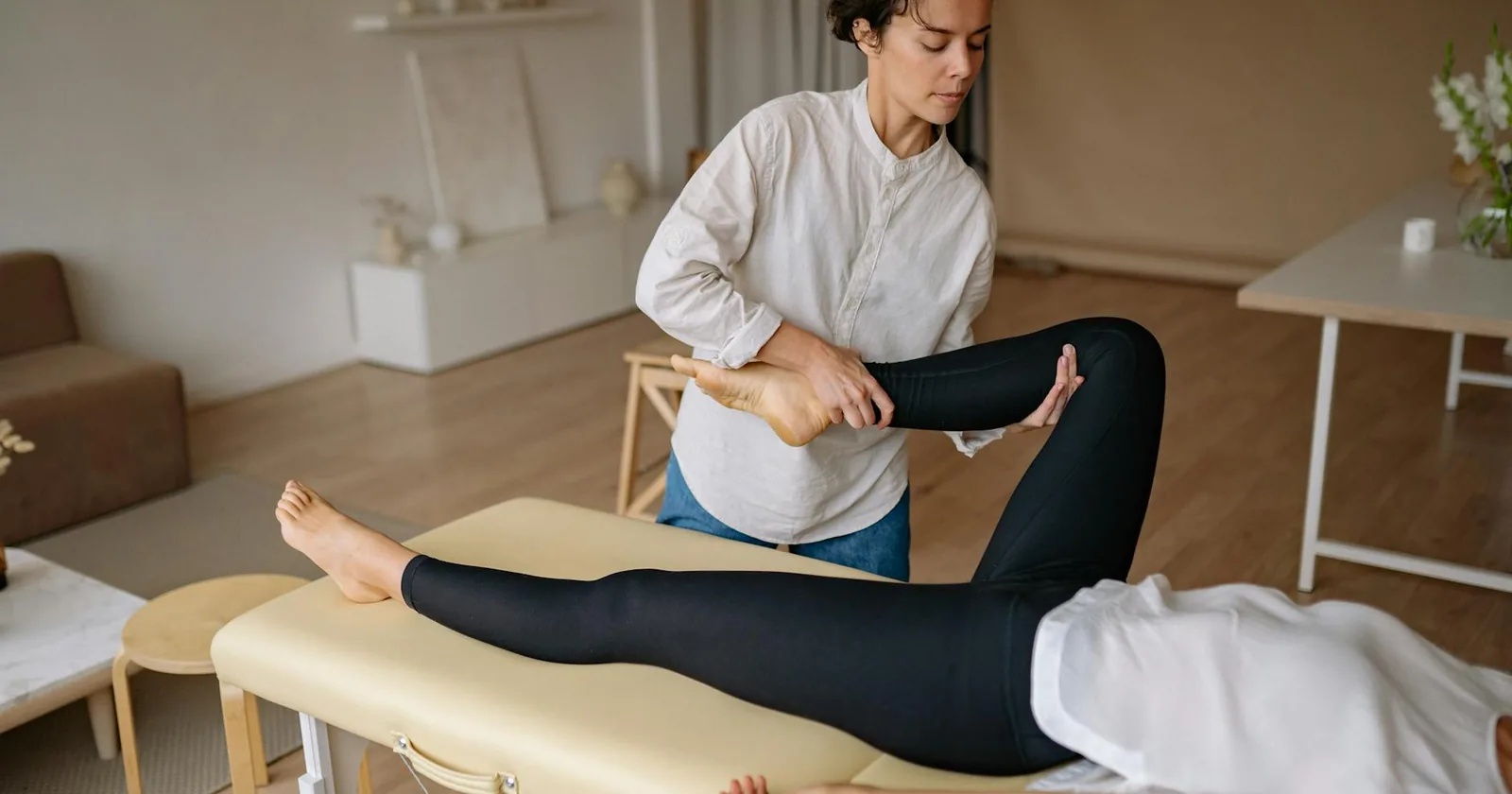
Feature photo by Yan Krukau on Pexels.