The Mobile Massage Equipment Buyer's Guide: Tables, Chairs, and Everything In Between
Published on May 25, 2026
The Kit Is the Practice
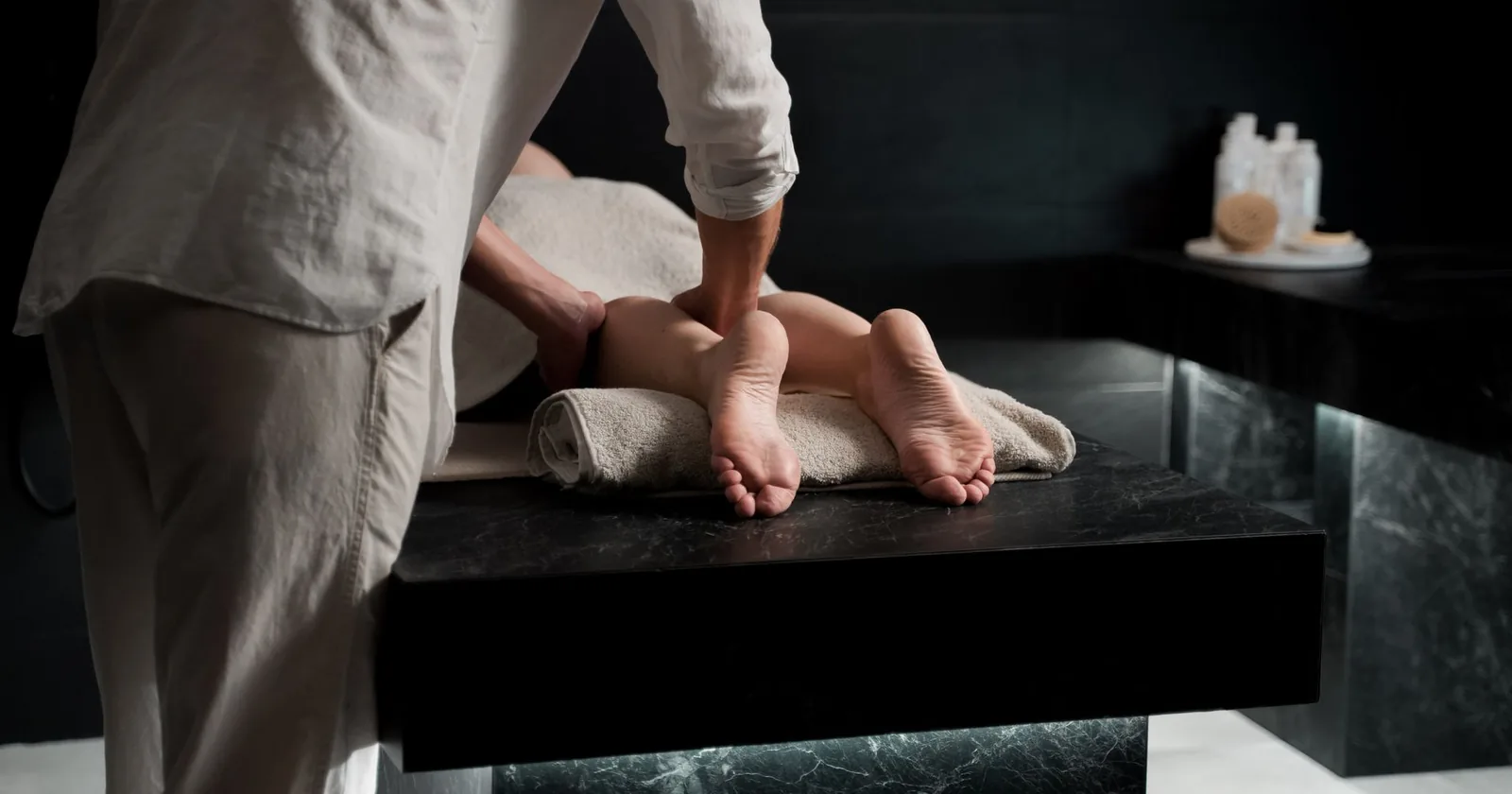
Mobile massage is the rare service business where the entire workplace fits in the trunk of a car. The portable table, the chair, the linens, the bolsters, and the warmer for hot stones are not props. They are the work. A folding table that flexes under deep pressure, a sheet system that adds five minutes to every turnover, or a bolster set that does not match the table width will quietly degrade every session you deliver. The therapists who stay in mobile work for a decade build their first kit with this in mind: every piece is chosen to support the therapist’s body across thousands of sessions, not to win a single appointment.
This guide walks through the equipment decisions that shape a mobile practice, starting with the table and working out to the smaller pieces that determine whether a workday feels efficient or exhausting. It is written for new therapists building a first kit and for experienced LMTs deciding whether to upgrade.
The Portable Table: Weight, Firmness, and Dimensions
The table is the single most important purchase in a mobile kit. In a 2025 industry survey of more than 1,400 licensed massage therapists across private practices, spas, and mobile settings, comfort was the top priority at 54 percent of responses, followed by build quality and durability. Those two priorities point in different directions for mobile work, where every pound the therapist carries up a flight of stairs matters as much as how the table feels under a 250-pound client.
Three specifications deserve close attention before you buy. Working weight capacity is the number that determines whether a table is safe under sustained deep pressure with a heavier client. Reputable mobile-grade tables list working capacities between 550 and 800 pounds. The Earthlite Spirit, repeatedly cited in surveys as a top mobile choice, lists an 800-pound capacity and is built around aircraft-grade support cables and jointless beam construction. The Custom Craftworks Omni, also designed with travel in mind, sits in the same capacity range. Height adjustment is the second specification: a portable table should adjust through roughly a ten-inch range, typically 23 to 33 inches, so that you can match your stance to your client and your modality.
Foam thickness is the third. Two and a half to three inches of multi-layer cushioning is the standard for professional portable tables. Thinner foam shaves a pound or two off the carry weight but transmits the rigid frame to a client lying face down for ninety minutes. Look for layered foam (a firmer base layer for support, a softer top layer for surface comfort) rather than a single block of cheap polyurethane that will compress permanently within a year.
The Earthlite Harmony DX is often recommended for deep tissue mobile practice for the same reason: hard maple frame, reinforced support cables, 2.5 inches of multi-layer padding, and a face cradle that adjusts without tools. The Earthlite Luna and Oakworks Nova show up frequently in the recommendations for newer therapists who want a dependable table at a more accessible price.
Width, Carry Weight, and the Mobile Tradeoff
Table width is where the mobile compromise lives. A 30-inch width is the everyday standard and fits most clients comfortably; 32 inches is more generous and reads as more “spa-like” on arrival, but the wider top makes the folded case heavier, harder to maneuver through a narrow doorway, and noticeably more awkward in a stairwell. For pure mobile work, 30 inches paired with a carry weight under 36 pounds is the realistic target. Anything over 40 pounds is a back-injury waiting to happen on a four-appointment day. Test the case strap and wheel options before you buy; a wheeled carry case adds a few dollars but pays for itself the first time you park a block from a client’s door.
When a Portable Chair Earns Its Place
A portable massage chair is a different tool, not a smaller version of the table. Chairs are sized for clothed, seated, ten-to-twenty-minute sessions focused on the upper back, neck, shoulders, arms, and head. They make sense for corporate wellness contracts, conference events, sports finish lines, bridal-party warmups, and any setting where multiple short sessions need to happen in a tight space. They do not replace a table for the typical residential one-hour appointment.
Investing in a chair only pays off if you are actively pursuing event or corporate work. A reputable portable chair (Earthlite, Oakworks, and Stronglite all make solid options in the 18-to-22-pound range) runs roughly the same price as a mid-tier table, sets up in about a minute, and stores compactly enough to bring as a secondary piece when you are not sure whether a corporate gig will need a chair, a table, or both. Specifying chair sessions in your service menu is also a useful way to upsell event clients without quoting a full hour of table massage.
Sheets, Linens, and Bolster Systems
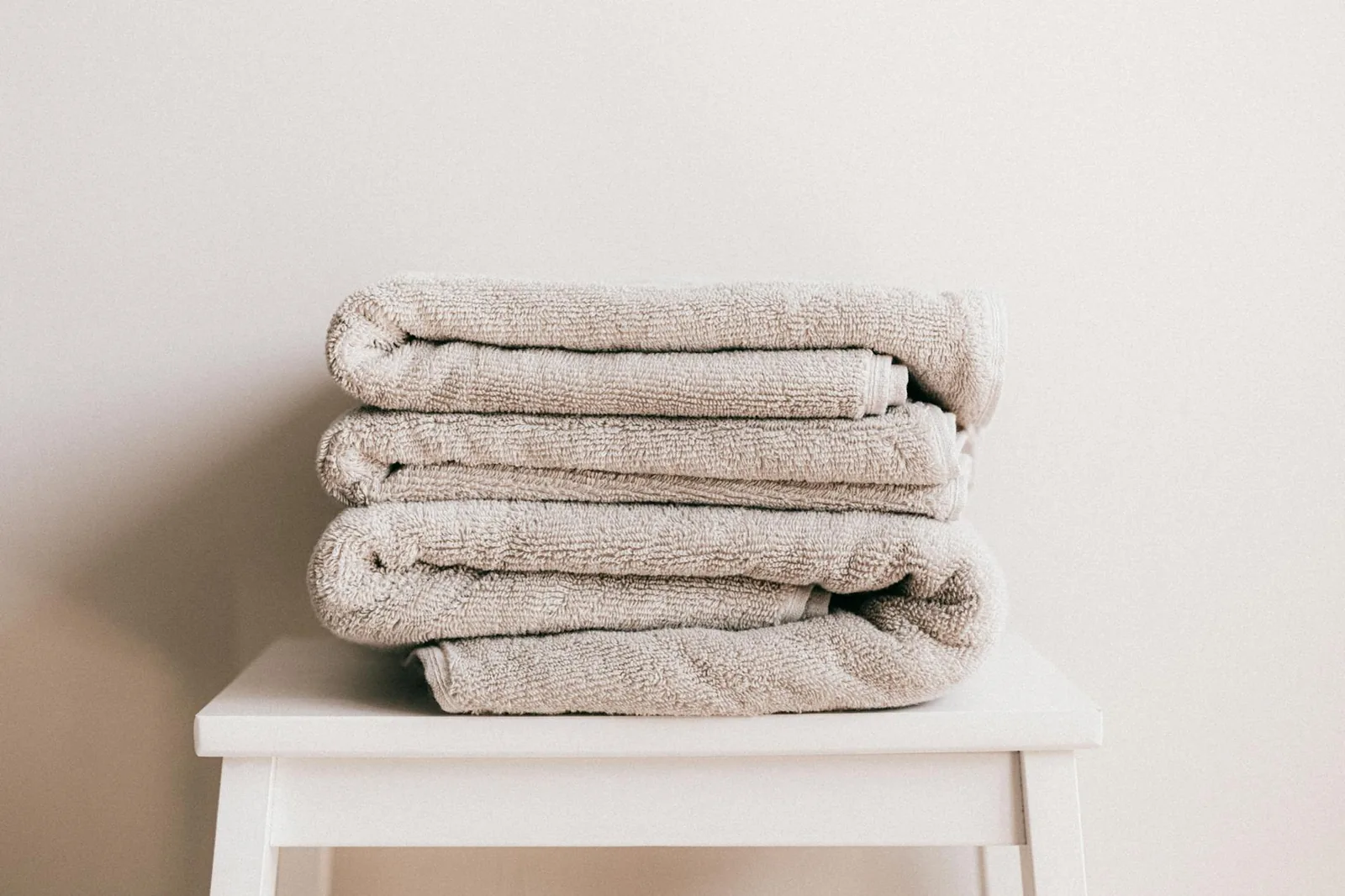
Linen choice is the place where new mobile therapists most often underinvest. The math is straightforward: at four sessions a day, six days a week, you turn over linens twenty-four times a week. Cheap percale wears through in a season; high-thread-count cotton-poly blends or microfiber sheet sets last two to three years of weekly washing without pilling. Standard sizing is twin flat (60 by 90 inches) for the table sheet and full flat (81 by 96 inches) for the drape. Buy a minimum of eight full sets so you always have clean linens between back-to-back appointments without depending on a laundry day.
Bolsters are similarly underrated. A 6-by-26-inch round bolster under the ankles for supine work and a 10-inch half-round under the knees are the two pieces that get used in nearly every session. A pregnancy-specific side-lying bolster system is a worthwhile upgrade once you start booking prenatal clients regularly. Match your bolster covers to your sheet system so the entire kit looks intentional when set up in a client’s living room.
Hot Stone Setups for In-Home Work
Adding hot stones to a mobile menu means adding a fitted hard-sided case for the stones, a small countertop-style warmer with a tight lid, and a dedicated set of thermometers and tongs. The trick with mobile hot stone work is timing: the warmer needs 25 to 40 minutes to reach a safe working temperature of roughly 110 to 130 degrees Fahrenheit, which means plugging in immediately on arrival and starting the table setup while the unit heats. The mechanics of hot stone massage in a mobile context, including safe temperature ranges and the way layered heat changes the pacing of a session, are worth reviewing before you add stones to your service menu.
The Ergonomic Tradeoffs Hidden in Price Tiers
Entry-tier portable tables in the 250-to-400 dollar range can deliver a workable first year, but the corners cut to reach that price (thinner foam, lower-quality cables, less adjustment range) tend to show up as therapist wrist and lower-back strain after a few hundred sessions. Mid-tier tables from established makers like Earthlite, Oakworks, and Custom Craftworks fall in the 600-to-900 dollar range and represent the price point where the survey data starts to bear out: durability, comfort, and adjustability all rise together. Premium portable tables above 1,000 dollars buy lighter frames, more thoughtful face-cradle ergonomics, and longer warranties, all of which compound across a career.
The same tradeoff appears at smaller scale across every piece of the kit. A 20 dollar bolster compresses in months; a 60 dollar bolster holds shape for years. A 15 dollar fitted sheet pills after a season; a 35 dollar sheet lasts three. Mobile work is hard on equipment, and the cheapest kit on the spreadsheet is rarely the cheapest kit over five years.
Building the First Kit Versus Upgrading
A complete starter mobile kit (table, fitted carry case, four sheet sets, bolster pair, oil holster, headrest, and a sound source) typically lands between 900 and 1,400 dollars. A working LMT deciding whether to upgrade should look at the table first, the chair second only if the event work is real, and the linens third. Skip novelty add-ons until you have run six months of mobile appointments and know which corners of your service menu actually pay back the investment. The cost side of the practice, including the way travel fees and session pricing absorb gear costs, determines how fast each piece of equipment recoups its purchase price.
The kit is the practice. Treat it that way, and the next thousand sessions get easier instead of harder. Combined with the disciplined personal safety protocols every solo mobile therapist needs, well-chosen equipment is what turns mobile work from a side hustle into a career.
Sources
- MASSAGE Magazine on the top 10 massage tables ranked by 1,400 licensed therapists
- American Massage Therapy Association for research and practice resources on massage and health
- CNN Underscored with therapist-recommended massage chairs for at-home use
- Men’s Health on the best massage chairs reviewed for back support