How Mobile Massage Can Help Alleviate Stress and Tension
Published on February 1, 2025
The Scope of the Problem
Chronic stress has become one of the most pervasive health concerns in modern life. Sustained exposure to stress hormones like cortisol and adrenaline drives a cascade of physical symptoms (elevated blood pressure, persistent muscle tension, headaches, digestive disruption, weakened immune function, and poor sleep quality), while simultaneously fueling anxiety, irritability, and depressive mood. The challenge for most people is not recognizing the need for relief but finding a practical way to access it. Traditional approaches like spa visits, while effective, require carving out time to travel, wait, and return home. Those logistical demands can paradoxically add stress to an already overloaded schedule. Mobile massage addresses this barrier directly by bringing professional therapeutic treatment into the client’s own space, removing the friction that prevents many people from seeking care in the first place.
How Massage Targets the Stress Response
The body’s stress response is governed by the autonomic nervous system, which operates in two complementary modes. The sympathetic branch activates the fight-or-flight reaction, quickening heart rate, tensing muscles, and flooding the bloodstream with cortisol and adrenaline. The parasympathetic branch does the opposite, slowing the heart, relaxing muscles, and promoting recovery and restoration. Chronic stress keeps the sympathetic system in a state of near-constant activation, and the physical symptoms most people associate with stress (tight shoulders, clenched jaw, headaches, poor digestion) are direct consequences of this imbalance.
Massage therapy engages the parasympathetic system through multiple pathways. The sustained pressure of skilled hands on muscle tissue activates mechanoreceptors (sensory nerve endings embedded in the skin and fascia) that send calming signals to the brain. These signals stimulate the vagus nerve, a major conduit of the parasympathetic system that influences heart rate, digestion, and systemic relaxation. Research published in the International Journal of Neuroscience found that massage therapy is associated with increases in serotonin and dopamine, two neurotransmitters closely linked to mood regulation, emotional stability, and feelings of well-being.
The American Massage Therapy Association’s position statement on stress relief cites controlled studies showing that even brief chair massage sessions of ten to fifteen minutes produce measurable reductions in blood pressure, oxygen consumption, and salivary cortisol levels. A review published in Evidence-Based Complementary and Alternative Medicine found that single massage treatments consistently reduced both salivary cortisol and heart rate immediately following the session, and that this effect was repeatable across multiple treatments within the same study period.
Physical Relief from Stress-Related Tension
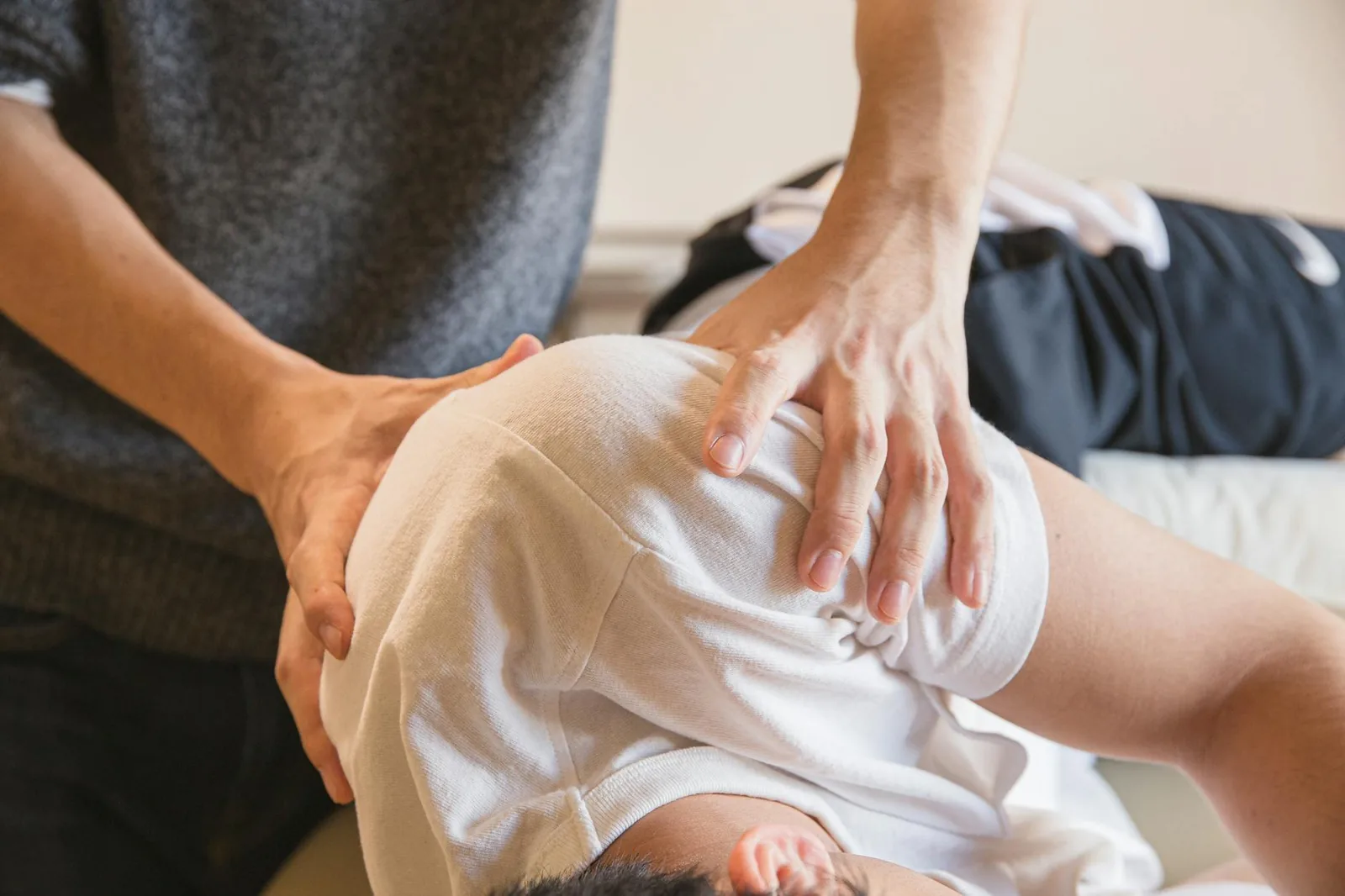
Muscle tension is one of the most tangible and disruptive symptoms of chronic stress. The upper trapezius, levator scapulae, and suboccipital muscles (the muscles of the neck, shoulders, and base of the skull) are among the most common sites where stress manifests physically. Sustained contraction in these areas restricts blood flow, compresses nerves, and contributes to tension-type headaches that affect millions of people regularly.
Massage directly addresses this pattern by increasing circulation to contracted tissue, breaking up adhesions and trigger points, and encouraging muscles to return to their resting length. Deep tissue techniques reach the deeper layers of muscle and fascia where chronic tension tends to accumulate. Swedish techniques use long, flowing strokes that promote systemic relaxation and improve lymphatic drainage. Many therapists combine elements of both approaches within a single session, adapting their technique to the specific tension patterns they encounter in each client.
A review published in Pain Medicine that examined sixty-seven massage therapy studies concluded that massage therapy should be strongly recommended as a pain management option compared to no treatment, based on consistent evidence of meaningful reduction in both acute and chronic pain across study populations.
Why the Home Setting Amplifies the Benefits
The environment in which massage is received meaningfully influences its effectiveness, and this is where mobile delivery offers a distinct advantage over clinic-based treatment. Receiving massage in a familiar, private space eliminates several low-level stressors that clients may not consciously register but that subtly limit relaxation: driving through traffic, finding parking, sitting in a waiting room, undressing in an unfamiliar space, and being aware of other clients nearby.
In a home setting, the client controls every environmental variable (lighting, temperature, sound, and scent). This level of control allows for deeper relaxation from the very beginning of the session rather than spending the first ten or fifteen minutes simply adjusting to a new environment. The effect is especially pronounced for people who experience social anxiety, sensory sensitivity, or general discomfort in public or clinical settings.
Perhaps the most significant advantage of the mobile format is what happens after the session ends. In a spa or clinic, the relaxation achieved during treatment begins to dissipate the moment the client gets dressed, checks out, walks to their car, and drives home. With a mobile session, the transition from the massage table to continued rest is seamless. Clients can move directly to their couch, take a warm bath, or go to bed, extending the parasympathetic state rather than interrupting it with post-session logistics. For people using massage specifically to improve sleep quality, scheduling a mobile session in the evening and transitioning directly to bed can dramatically amplify the benefit.
Building a Sustainable Stress Management Routine
The benefits of massage therapy for stress are real, but they are most impactful when the practice is consistent rather than occasional. A single session provides meaningful short-term relief (lowered heart rate, reduced muscle tension, improved mood) but these effects diminish over the following days as daily stressors reassert themselves. Regular sessions, whether weekly, biweekly, or monthly, create a cumulative effect that helps the body maintain a more balanced baseline state over time.
Mobile massage makes this consistency more achievable than clinic-based treatment. The elimination of travel time, the flexibility to schedule sessions during evenings or weekends, and the ability to book without coordinating childcare or rearranging a work schedule all reduce the barriers that cause people to skip appointments or let their routine lapse. For busy professionals, parents of young children, people with mobility limitations, and anyone who finds the logistics of spa visits stressful in themselves, the mobile format transforms massage from an occasional indulgence into a practical, recurring component of a broader wellness strategy.
Combining Massage with Other Stress Reduction Practices
Massage therapy is most effective as part of a multi-faceted approach to stress management rather than as a standalone solution. Regular physical activity, adequate sleep, balanced nutrition, and mindfulness or breathing practices all contribute to the body’s ability to regulate its stress response. Massage complements these habits by directly addressing the physical manifestations of stress (tight muscles, restricted circulation, nervous system imbalance) that other practices may not fully resolve on their own.
A mobile therapist who understands a client’s broader health picture can offer targeted recommendations that extend the benefits of each session: stretches to maintain mobility between appointments, guidance on posture adjustments that reduce workplace tension, or suggestions for breathing techniques that activate the parasympathetic system independently. Over time, this collaborative relationship between client and therapist becomes a valuable resource for managing stress proactively rather than reactively.
Feature photo by naniko kipiani on Pexels.
Further reading (sources)
- NCCIH on massage therapy, what you need to know
- Peer-reviewed research for the meta-analysis of massage therapy in pain populations
- NCBTMB with what board certification requires beyond a state licence