Handheld Massage Tools Worth Recommending Between Sessions: A Therapist's Picks
Published on June 29, 2026
The Question Every Client Eventually Asks
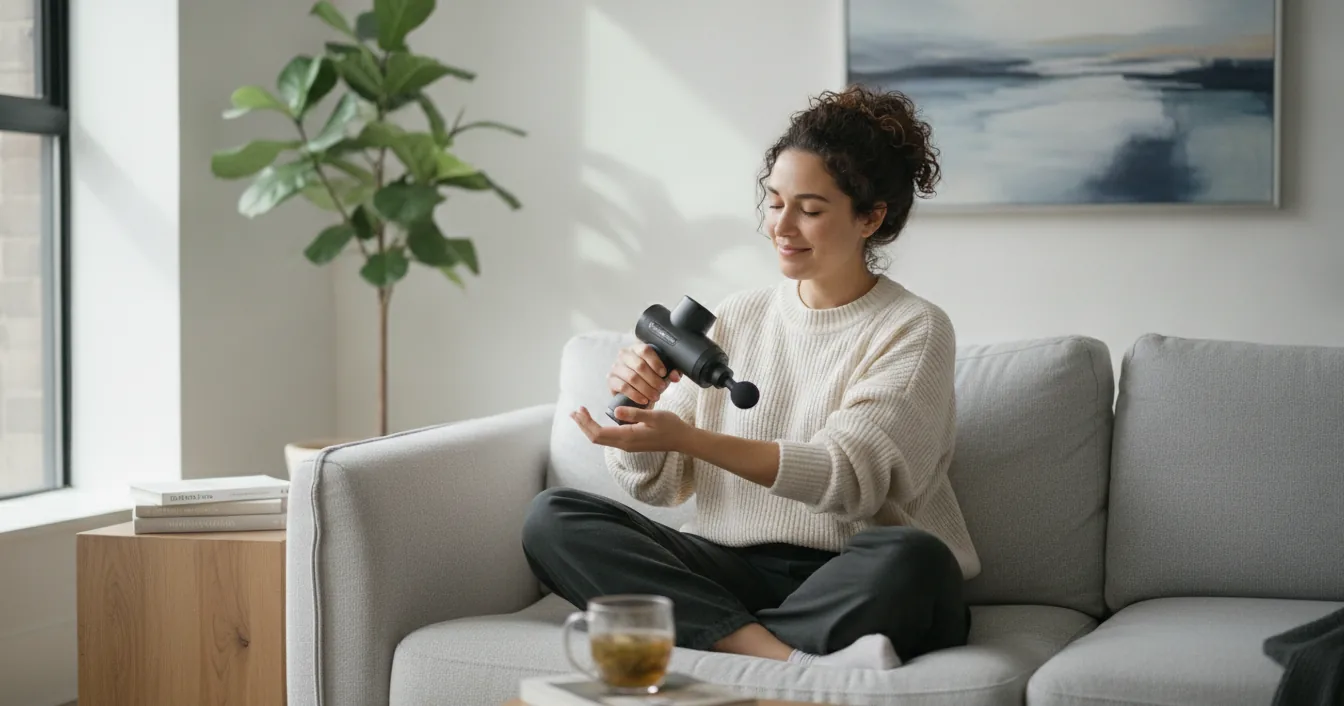
Open your phone and the massage tools find you. Percussion guns thudding away in short videos, heated neck wraps, eye massagers with their own fan clubs. So it is no surprise that somewhere between one appointment and the next, most mobile clients ask some version of the same question: should I buy a Theragun?
It is a fair question, and the honest answer is more useful than a flat yes or no. The right handheld tool can genuinely extend the relief from a session and keep tension from rebuilding before you see your therapist again. The wrong tool, or the right tool used carelessly, can leave a bruise, aggravate an injury, or in rare cases do real harm. This guide is the answer I give my own clients, written both for the people who want to maintain their results between visits and for the mobile therapists who want a polished version ready when the question comes up.
What a Handheld Tool Can and Cannot Do
Start with expectations. Licensed therapists are not anti-gadget. In a recent roundup, two working LMTs said they own and use percussion guns themselves, and they pointed to the same benefits the research supports: better circulation, less muscle tension, improved flexibility and posture, and a nudge toward the parasympathetic “rest and digest” state that lowers cortisol. Consistent self-massage also builds what one of them called tissue tolerance, the resilience that keeps stiffness and minor injury at bay.
What a tool cannot do is replace a trained pair of hands. Those same therapists were blunt about it: home devices work best in conjunction with massage therapy, not instead of it. A device buzzes in one direction at one depth. It cannot read the tissue, trace the referral pattern behind a headache, ease off as a muscle releases, or notice the thing that should be sent to a physician. Think of a handheld tool as maintenance between services, the way flossing is not a substitute for the dentist. If you want the deeper reason this kind of input calms the body, our piece on how massage affects the nervous system covers the mechanism.
The Percussion Guns Everyone Asks About
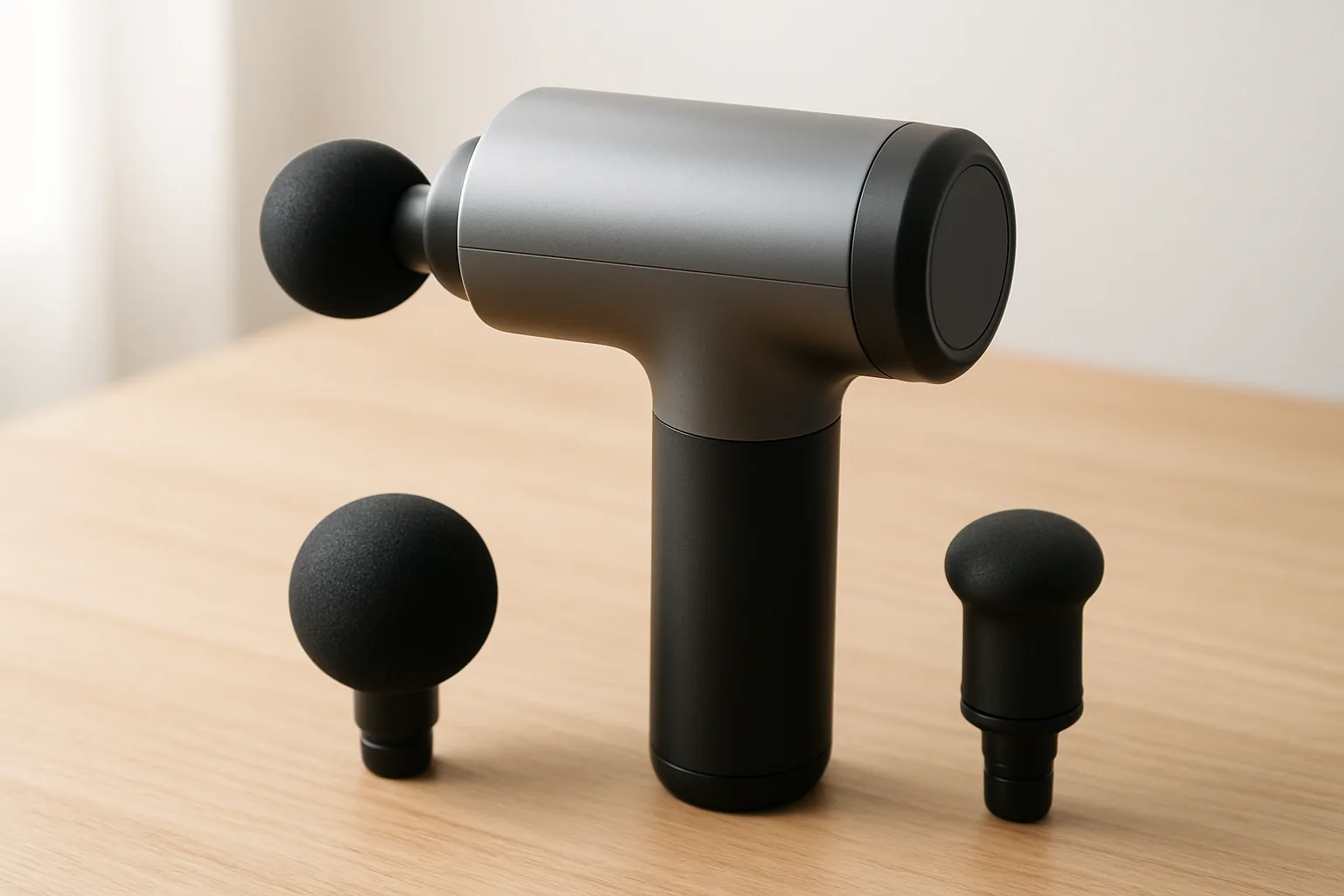
Percussion guns are the category clients name by brand, and two come up again and again. The Hyperice Hypervolt line is the powerhouse. The Hypervolt 2 Pro offers five levels of percussion, a three-hour battery, app connectivity, and TSA approval for carry-ons. It is built for deeper work, which is exactly the caution: one therapist noted the Hypervolt can be too strong for someone who only wants a light massage. The more affordable Hypervolt Go 2 keeps the essentials in a body that weighs about a pound and a half.
The Theragun line tends to be the gentler entry point. The Theragun Relief gives three speeds and three attachments at an everyday-friendly price, and a therapist who works across many comfort levels praised the brand’s range of pressure and speed. For most clients, gentle and adjustable beats maximum power. The features that actually earn their keep are the ones you will use day to day: customizable speed and depth, light weight, and battery life, especially if you travel.
The Quieter Tools That Do Real Work
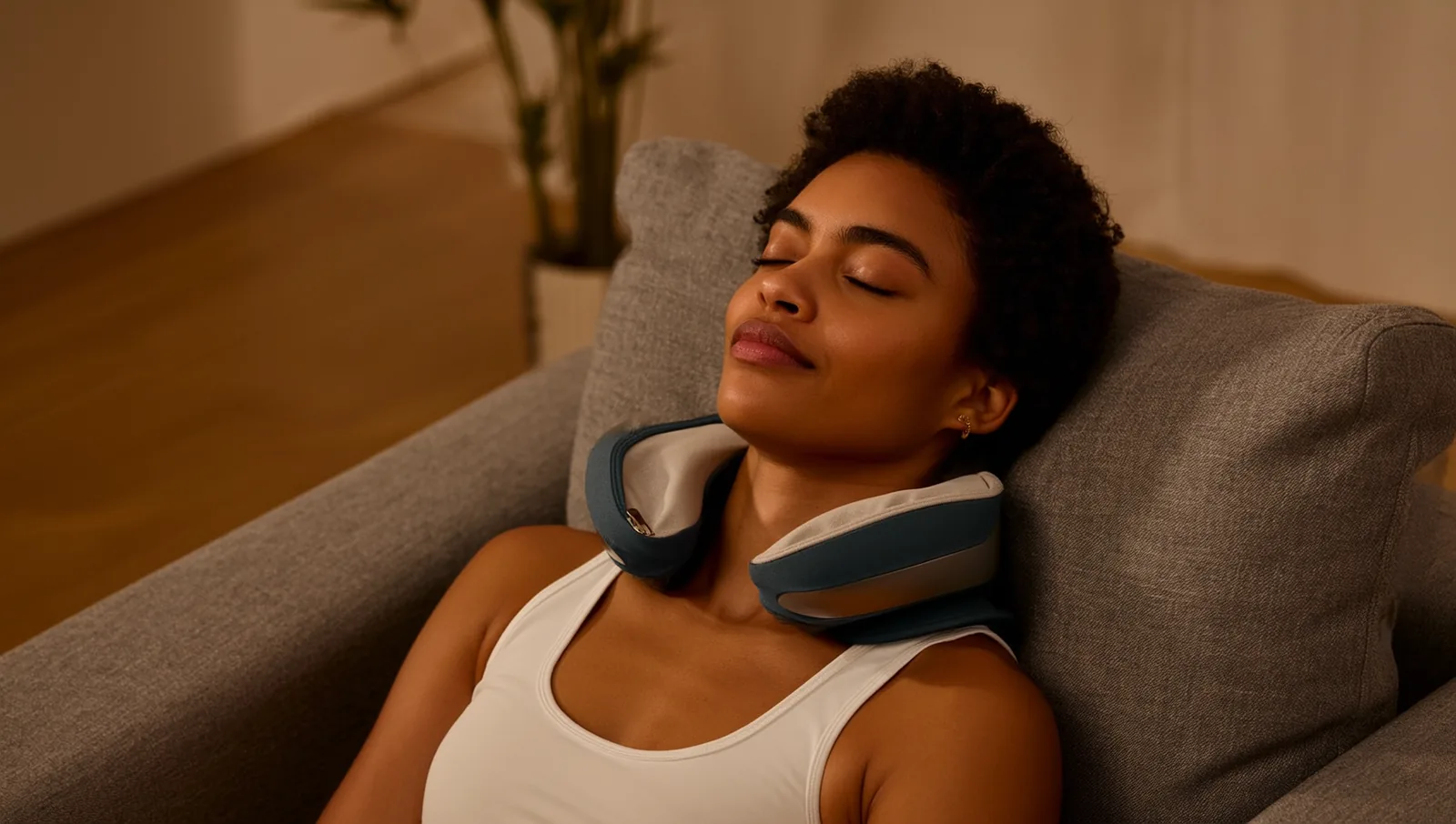
Not everyone wants a jackhammer for their trapezius, and some of the most useful between-session tools barely look like massagers. Heated neck-and-shoulder slings pair gentle warmth with kneading rollers and suit the desk-bound tension most clients carry. Shiatsu-style kneading pillows press into the back and shoulders with rotating nodules and a heat option, and they strap onto an office chair or a car seat. Seat cushions add vibration and heat for long workdays. Foot and calf massagers use air compression to push circulation through tired legs, and compression sleeves from recovery lines like Normatec do the same for athletes chasing a faster turnaround. There are even heated eye massagers for screen strain. These hands-free options are gentler by design, a good fit for clients who find percussion intimidating or who simply want to unwind. For day-to-day stress, many of them complement the simple habits in our guide to easing everyday stress and tension.
How to Choose One Without Wasting Money
The therapists in that roundup gave the same buying advice I give clients. First, decide what you actually want the tool to do, then find the technology that matches that goal rather than buying the loudest device in the ad. Favor adjustable settings so you can dial speed and depth to the day. Weigh portability and battery life if you travel. And do a little homework: read real customer reviews, check the brand’s reputation, and look for safety certifications. As one LMT put it, do not be fooled by overly cheap products or hyped-up advertising, because a cursory bit of research usually points you the right way. A reliable mid-priced tool you will actually use beats a premium one that intimidates you into leaving it in the closet.
Using a Massage Gun Safely: Where Not to Go
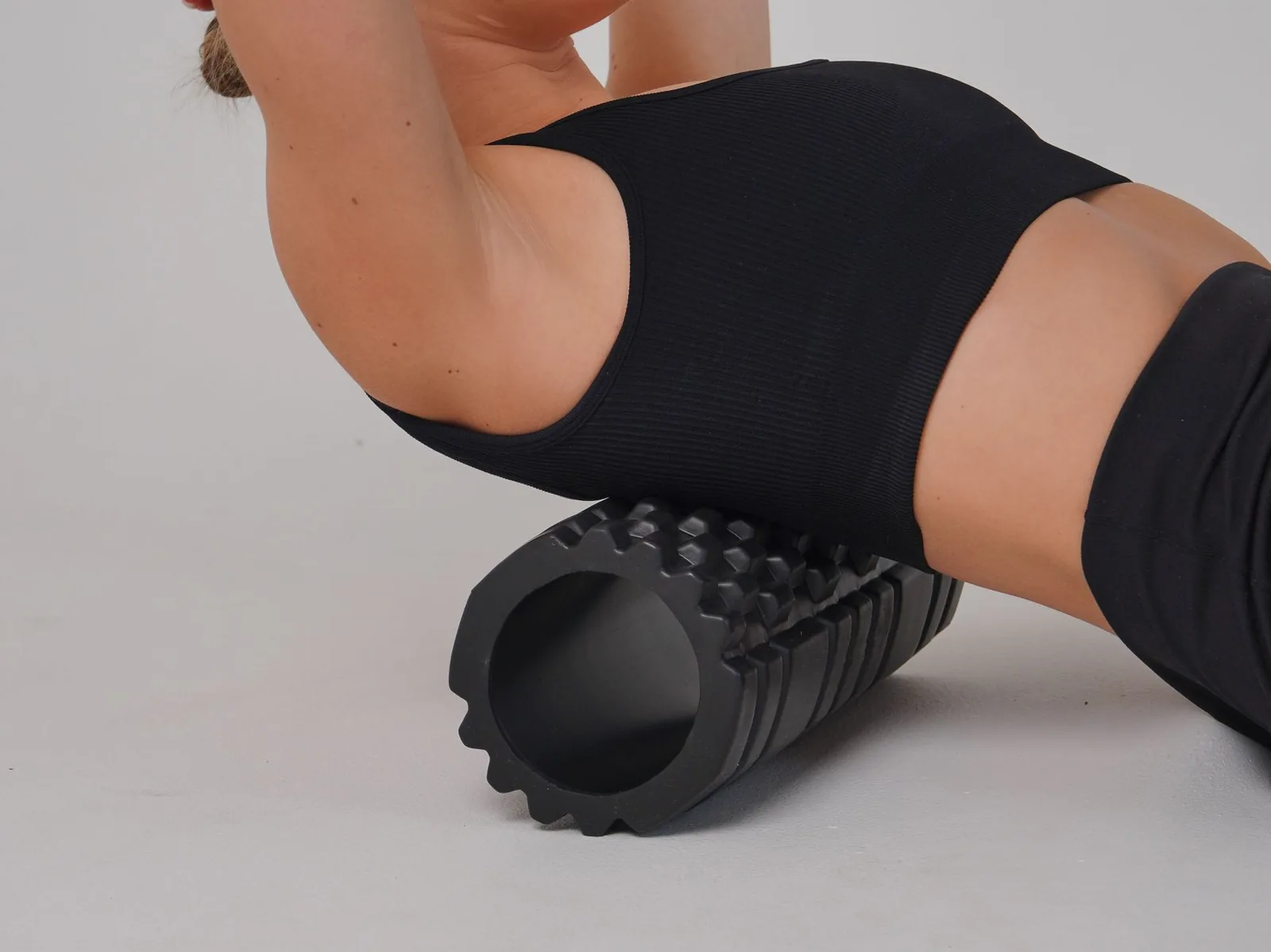
This is the part the unboxing videos skip. A percussion gun is safe on large, meaty muscle groups: calves, quads, glutes, forearms, and the fleshy part of the upper back and shoulders. It does not belong in several places. Keep it off the front and sides of the neck, where the carotid artery runs, and off the throat entirely. Avoid bony areas and joints, the spine itself, the abdomen over the organs, and anywhere with a fresh bruise, swelling, a recent surgery, or a varicose vein.
Technique matters as much as location. Start on the lowest speed and let the tool float across the muscle instead of pinning it in one spot or pressing hard. Thirty seconds to a couple of minutes per muscle group is plenty, and longer is not better. Overdoing one spot is how people end up sore or bruised. Then learn the stop signs. Sharp pain, numbness, tingling, or pain that climbs instead of easing all mean turn it off. Good soreness fades within a day; a warning sign does not.
When to Skip the Tool and Call a Professional
Some situations call for a green light from a doctor before any device touches the skin, and this part is non-negotiable. If you have a history of blood clots or DVT, take blood thinners, live with osteoporosis, have diabetes or any condition that dulls sensation, are pregnant, are recovering from surgery, or are in cancer treatment, talk to your physician before using percussion or compression tools, and ask your massage therapist how to adapt. Reduced sensation is especially risky, because the very feedback that tells you to stop may be muted. When in doubt, leave the deeper work to a professional who can screen for these things in person.
For Therapists: Coaching the Tool Is a Service
For mobile LMTs, the brand question is an opening, not an interruption. Clients are buying these devices anyway, so you may as well be the trusted voice who tells them which one fits their body and how to use it without hurting themselves. A short between-session tool-coaching add-on, where you demo safe technique on the client’s own device and map the no-go zones, turns a free-advice moment into a billable touchpoint and deepens loyalty. Fold it into your offerings the way you would any service, as our service menu guide lays out, and price it on purpose rather than giving it away, which our pricing guide can help you do. Keep two guardrails in mind. Recommending a consumer device is fine, but prescribing treatment for a medical condition crosses into clinical territory, and where that line sits depends on your state’s scope of practice. And as always, carry professional liability insurance, because the moment you advise on technique you want that coverage behind you. Tools complement skilled gear rather than replacing it, and our equipment buyer’s guide covers the professional side of the kit.
The Bottom Line
A good handheld tool is worth recommending. It keeps clients connected to their bodies between visits, reinforces the work done on the table, and gives them a sense of control over their own tension. Just be honest about the ceiling. These devices maintain results, but they do not create the depth, judgment, and care of a session with a skilled therapist. Used that way, with the right tool and a little coaching, they make the hands-on work last longer.
Sources
- BuzzFeed on the electric massagers that massage therapists actually use
- American Massage Therapy Association for research on massage and health
- Cleveland Clinic with guidance on whether massage guns are safe and how to use them