Mobile Massage for Cancer Patients: An Evidence-Based In-Home Guide
Published on June 7, 2026

Why Oncology Belongs in a Mobile Massage Practice
People in cancer treatment are often the clients who most need skilled, caring touch and can least easily get to a clinic. Treatment fatigue makes the drive and the waiting room exhausting. A suppressed immune system makes a crowded reception area genuinely risky. Nausea and the rhythm of chemotherapy cycles mean some days are simply impossible to plan around. Mobile massage answers all of that by bringing a gentle, adaptable session to the living room or the bedside.
The evidence has caught up with the demand. In 2022 the Society for Integrative Oncology and the American Society of Clinical Oncology issued a joint guideline that gives massage a moderate-strength recommendation for cancer pain, alongside acupuncture. Massage has moved from the margins into mainstream supportive care. Hold one line clearly as you read the rest of this guide: massage is adjunct care that eases symptoms and improves quality of life. It never treats, slows, or cures the cancer itself, and no honest therapist suggests otherwise.
What the Evidence Actually Shows
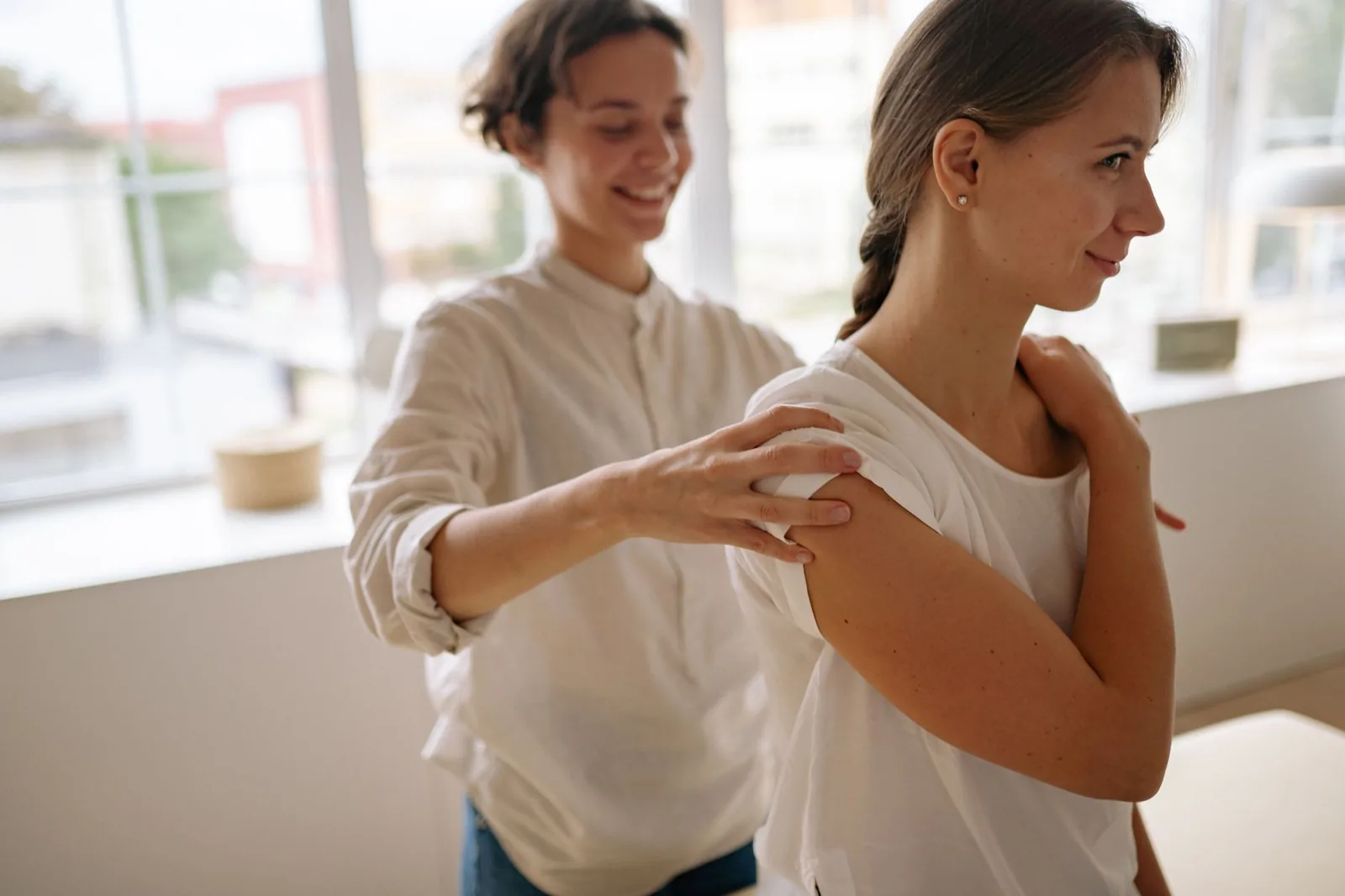
The strongest recent trial is IMPACT, a multicenter randomized study of 298 patients living with advanced cancer and moderate to severe pain. Participants received weekly acupuncture or weekly massage for ten weeks, with monthly booster sessions out to 26 weeks. Massage lowered the worst-pain score by about three points on a ten-point scale, acupuncture by about two and a half, and the difference between the two was not statistically significant. Both also improved fatigue, insomnia, and quality of life. The adverse events were mild, with transient soreness reported by roughly 15 percent of the massage group. The headline for a mobile therapist is simple: real, measurable pain relief, delivered gently enough that the main side effect was temporary tenderness.
How long and how often matters too. A three-armed trial of 387 hospitalized patients receiving palliative care compared a ten-minute massage daily for three days, a twenty-minute massage daily for three days, and a single twenty-minute session. Every arm improved quality of life, and the researchers concluded massage was “beneficial beyond dosage.” Session length drove the immediate gains, while three consecutive days of treatment sustained the drop in distress at follow-up. For in-home work this is freeing. A short session helps, and a regular cadence of visits is what makes the benefit last. You do not need a ninety-minute table session to do real good.
The picture on cancer-related fatigue is promising but still consolidating. Fatigue is one of the most prevalent and disabling symptoms survivors face, and a systematic review protocol published in the journal Medicine set out to weigh the trials on clinical massage for it, noting that massage is already widely used by therapists and nurses to address fatigue and that early research points to relief. Treat it as an encouraging direction rather than a settled promise.
Stay humble about mood, as well. A program evaluation of 1,764 hospitalized cancer patients found that both massage and music therapy reduced depressive symptoms, though music produced a slightly larger drop, especially among patients with moderate to severe symptoms. Patients described massage as calming and relaxing. Massage clearly helps, and knowing when a different modality might serve a client better is part of practicing with integrity.
The Myth That Massage Spreads Cancer
The old fear that massage could push cancer cells through the lymphatic system kept therapists away from this work for years. No research has ever shown it to be true, which is why major cancer centers now offer massage on their own oncology units. The precautions that follow are not about avoiding massage. They are about adapting pressure, position, and the areas you work, so the session is safe for a body under treatment. That shift in framing, from “do not touch” to “touch wisely,” is the whole foundation of oncology massage.
Intake, Physician Clearance, and the Care Team

Active cancer is a condition that requires a physician’s go-ahead before you begin, full stop. Every oncology client starts with a written health history, a medication review, and written clearance from the treating oncologist before the first session. Build it on the same disciplined intake and client vetting that protects you on any booking, then add the questions this work demands: cancer type and stage, which treatments are underway (surgery, chemotherapy, radiation, immunotherapy), where any surgery or radiation was directed, whether lymph nodes were removed, whether there are bone metastases, any implanted devices, and recent blood counts if the client knows them.
From there you function like a member of the care team rather than a vendor who happens to visit. Keep SOAP notes, the shared clinical shorthand every discipline reads, coordinate with the oncology nurse or nurse navigator, and report anything new you notice, whether that is fresh swelling, a skin change, or a fever. Doing this well is also how you earn referrals. Oncology nurses and palliative teams send patients to therapists they trust to communicate, respect clearance, and never overstep, and a prepared mobile LMT is a rare find.
Precautions You Cannot Skip
The screen below is conservative by design, because the cost of a mistake is high in this population.
- Lymphedema and at-risk limbs. Removing or irradiating lymph nodes creates a lifelong risk of swelling in that quadrant of the body. Avoid vigorous or deep work on an at-risk or swollen limb, use light pressure, and never use anything that constricts. General massage is not manual lymphatic drainage, and managing diagnosed lymphedema requires a certified lymphedema therapist. Refer that out rather than improvising.
- Ports, PICC lines, central lines, and surgical sites. Apply no pressure over an implanted chest port, a PICC line in the upper arm, a central line, or any surgical site. Work around them.
- Radiated skin. Avoid the radiation field entirely. The skin there can be fragile and photosensitive, and you should not apply oil or lotion to it unless the care team has cleared it.
- Bone metastases. Areas where cancer has spread to bone carry a fracture risk. Avoid them, keep pressure light elsewhere, and get specific clearance.
- Low platelet count. Chemotherapy often lowers platelets, which makes a client bruise and bleed easily. Use light pressure and skip percussion.
- Low white-cell count. When immunity is suppressed, infection is the danger. Use scrupulous hand hygiene and fresh linens, and if you are unwell in any way, reschedule rather than visit.
- Chemotherapy-induced neuropathy. Never apply pressure to an area where the client has lost sensation.
- Blood clots. Cancer raises the risk of deep vein thrombosis. Never work a limb with suspected DVT, the signs being one-sided swelling, calf pain, warmth, and red or discolored skin. Stop, do not try to work it out, and advise medical care. Sudden chest pain, breathlessness, or coughing up blood is a 911 emergency.
Gentle Dosing and In-Home Logistics
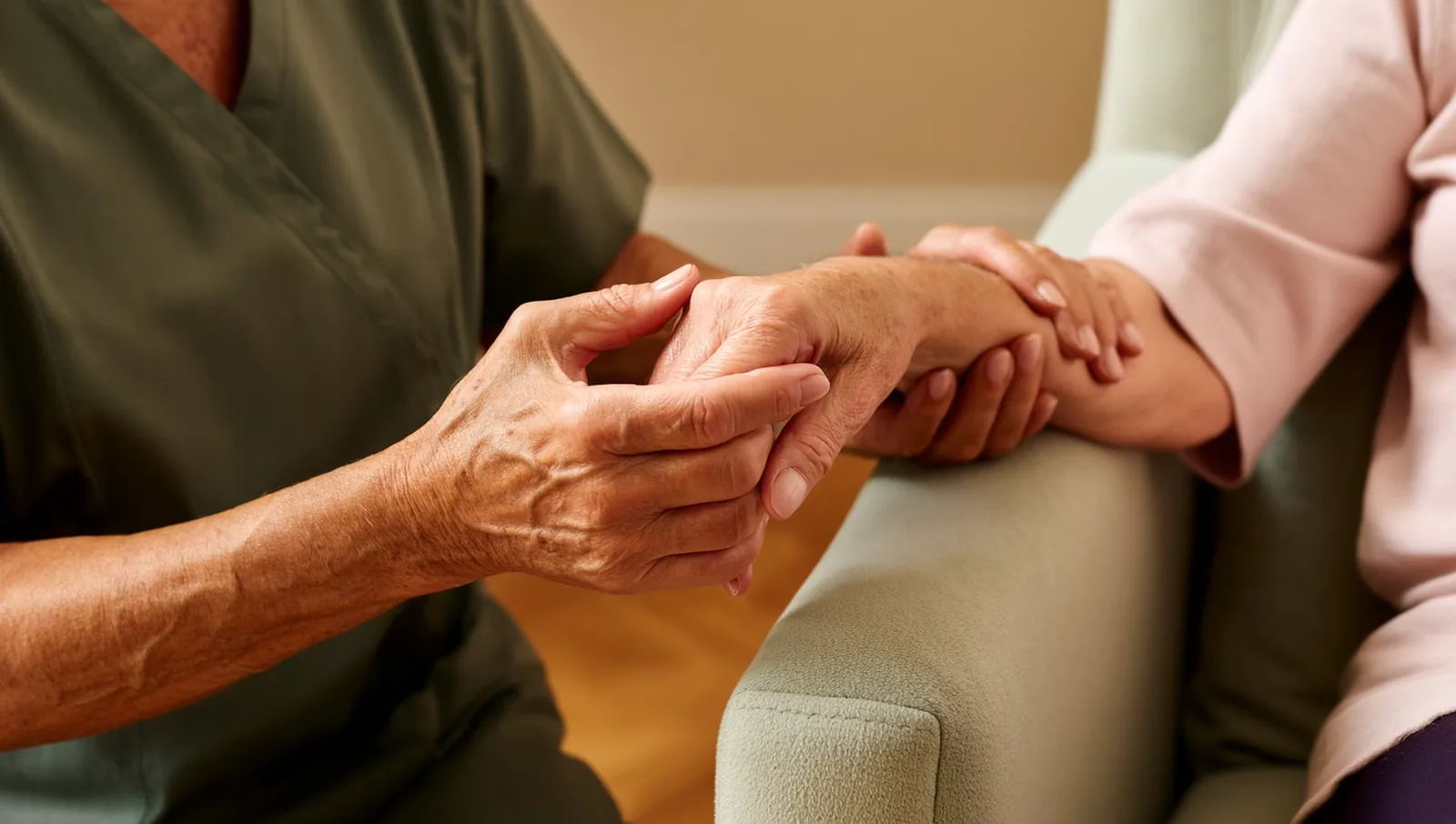
Let the evidence set your dial: short and gentle wins. Fifteen to thirty minutes is plenty for someone deep in active treatment, and a steady rhythm of visits is what sustains the benefit. Schedule around the chemotherapy cycle, since many clients feel worst in the two to four days after an infusion, and follow the energy of the body in front of you rather than a fixed routine.
Positioning is its own skill here. Side-lying with generous bolstering is often kinder than the prone position for a client with a chest port, abdominal discomfort, or shortness of breath, and the right portable table and bolstering setup makes that comfort possible. Because immunocompromised clients are vulnerable to infection, your hygiene has to be impeccable: fresh linens every visit, careful hand washing, a mask when appropriate, and no sessions at all when you feel a cold coming on.
Treat the business side with the same care. Oncology work is usually a standing visit rather than a one-off, so structure your travel fees and recurring session pricing around a predictable weekly or biweekly cadence. If you are still finding your footing, fold this specialty in deliberately as you build the rest of your mobile practice rather than leading with it before you are trained.
Scope, Training, and Insurance
This work demands specific preparation. Seek out oncology massage training before you take a single oncology client. The Society for Oncology Massage trains therapists in this approach and runs a locator that patients and care teams use to find qualified practitioners, and being listed there marks you as someone who has done the work. Do not improvise oncology care from general experience.
Keep the scope line bright. A licensed massage therapist does not diagnose, prescribe, or claim to treat or cure cancer. Market what you offer as comfort, symptom relief, and quality of life, never as treatment. Licensing and scope vary by state, so your own state’s massage practice act is the binding authority, and that act is also where the line falls between licensed massage therapy and unlicensed bodywork. Professional liability insurance is non-negotiable for every practicing therapist, and for mobile oncology work you should confirm that the policy follows you into homes and facilities and includes general or premises liability.
Done right, this is some of the most meaningful work a mobile therapist can do, and it sits naturally alongside in-home care for frail and palliative clients. You bring steady, evidence-informed, caring touch to people in one of the hardest seasons of their lives, on terms their bodies can actually manage. Build it on careful screening, honest scope, and genuine warmth, and it becomes work that is both sustainable for you and a real comfort to the people you visit.
Sources
- JAMA Network Open on the IMPACT trial comparing acupuncture and massage for advanced cancer pain
- Journal of Pain and Symptom Management for how massage dosing affects hospitalized palliative care patients
- Journal of Pain and Symptom Management with a comparison of massage and music therapy for depression in cancer patients
- Medicine reviewing the evidence on clinical massage for cancer-related fatigue
- Society for Integrative Oncology and ASCO on the guideline recommending integrative therapies for cancer pain
- Cancer Research UK for why massage does not spread cancer and the precautions that do matter
Further reading
- Personal Safety for Mobile Massage Therapists: A Comprehensive Protocol
- Mobile Massage in Aged Care: Bringing Wellbeing Home to Seniors
- The Mobile Massage Equipment Buyer’s Guide: Tables, Chairs, and Everything In Between
- Understanding the Price Range of Mobile Massage Services
- Launching a Mobile Massage Business From Scratch: Your First Year Roadmap